White Label Lead Generation SaaS vs Done-For-You Service: Which Should You Resell? (2026)
White label lead generation SaaS is rebrandable lead-generation software you resell under your own brand on a subscription. The phrase collides with two other meanings, so this guide defines it, then settles the decision underneath the search: resell the SaaS for recurring revenue, or run a done-for-you service for bigger one-off fees. It compares the two across work, revenue, launch time, margins, scale and risk, shows the recurring-vs-one-off money math with a labelled example, and gives a verdict by situation.
SalesLabel Team
Growth Expert • 11/26/2026
Share:
Looking for a done-for-you solution?
SalesLabel automates outbound end-to-end — AI finds prospects, sends personalized messages, and books meetings under your brand.
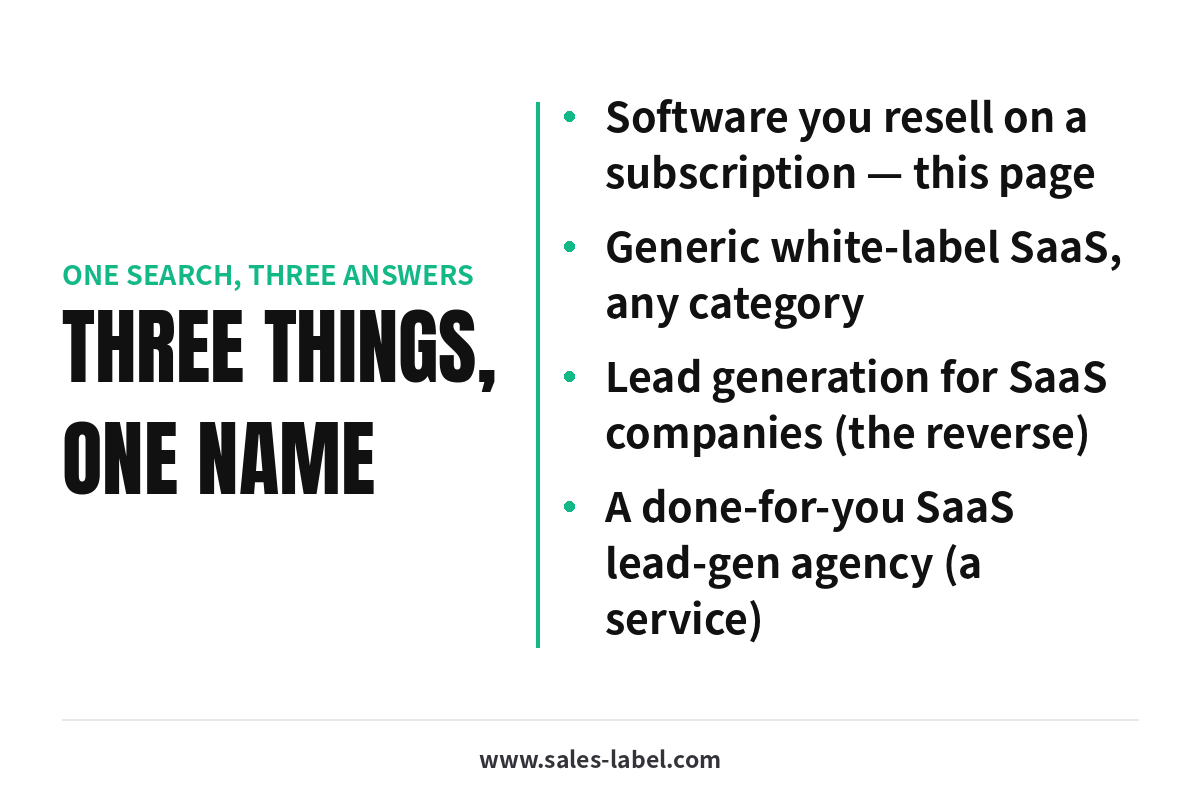
Type "white label lead generation saas" into Google and you get three different things wearing one name. One is a tool you resell. One is a service someone runs for you. One is lead generation aimed at SaaS companies, which is the opposite of what you meant.
So let's be exact. White label lead generation SaaS is rebrandable lead-generation software you resell under your own brand, billed on a subscription. The real question underneath the search is this: do you resell the software, or run the service yourself? The money works out very differently, and we will settle it at the end.
The search mixes three different things. Only the first is software you can rebrand and resell.
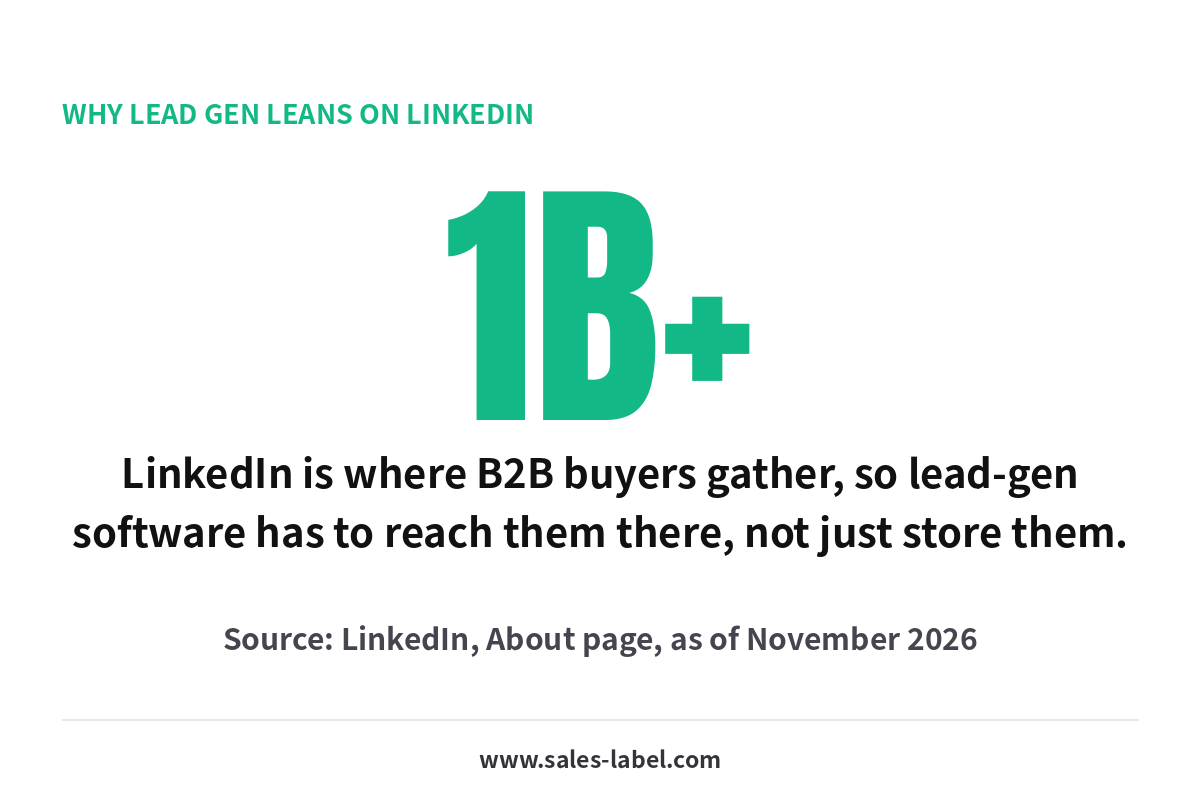
Why does lead-gen software lean so hard on LinkedIn? Because that is where B2B buyers are. LinkedIn says it has more than 1 billion members in more than 200 countries and territories, as stated on its own About page (as of November 2026).
LinkedIn's own figure. Software that calls itself lead generation but never reaches a channel like this is a database, not an engine.
What is white label lead generation SaaS?
White label lead generation SaaS is lead-generation software one company builds, and you resell under your own brand for a recurring fee. Your clients log in to your tool, on your domain, and never see the vendor. "SaaS" means they pay every month, so you earn every month.
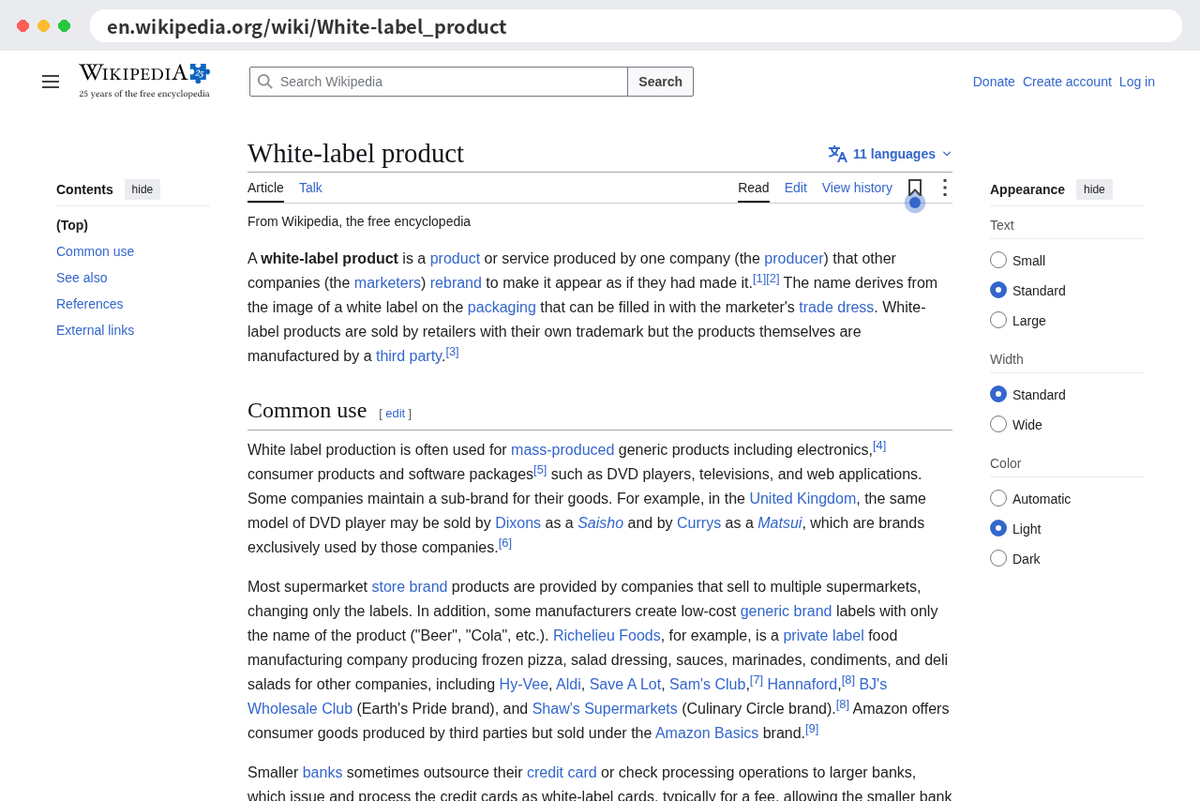
The "white label" part is an old idea with a simple meaning. A white-label product is made by one company and sold under another's brand. SaaS just makes that product a subscription.
A white-label product, by definition: made by one company, sold under another's brand. SaaS just makes it a subscription. Screenshot: en.wikipedia.org, 2026-11-26
The reason the search feels messy is that three different things share the phrase. Here is what each one is, so you know which one this page means.
What the search returns
What it actually is
Is it what you meant?
White label lead generation SaaS
Rebrandable lead-gen software you resell on a subscription
Getting leads for a SaaS company, not software to resell
The reverse
SaaS lead generation agency
A done-for-you service, not a tool you license
A service, not SaaS
SalesLabel is one such platform: agencies resell multichannel lead generation to their clients under their own brand. That is one sentence, so you know where we stand. The rest of this page is the decision, not a pitch.
Why "SaaS" is the part that matters
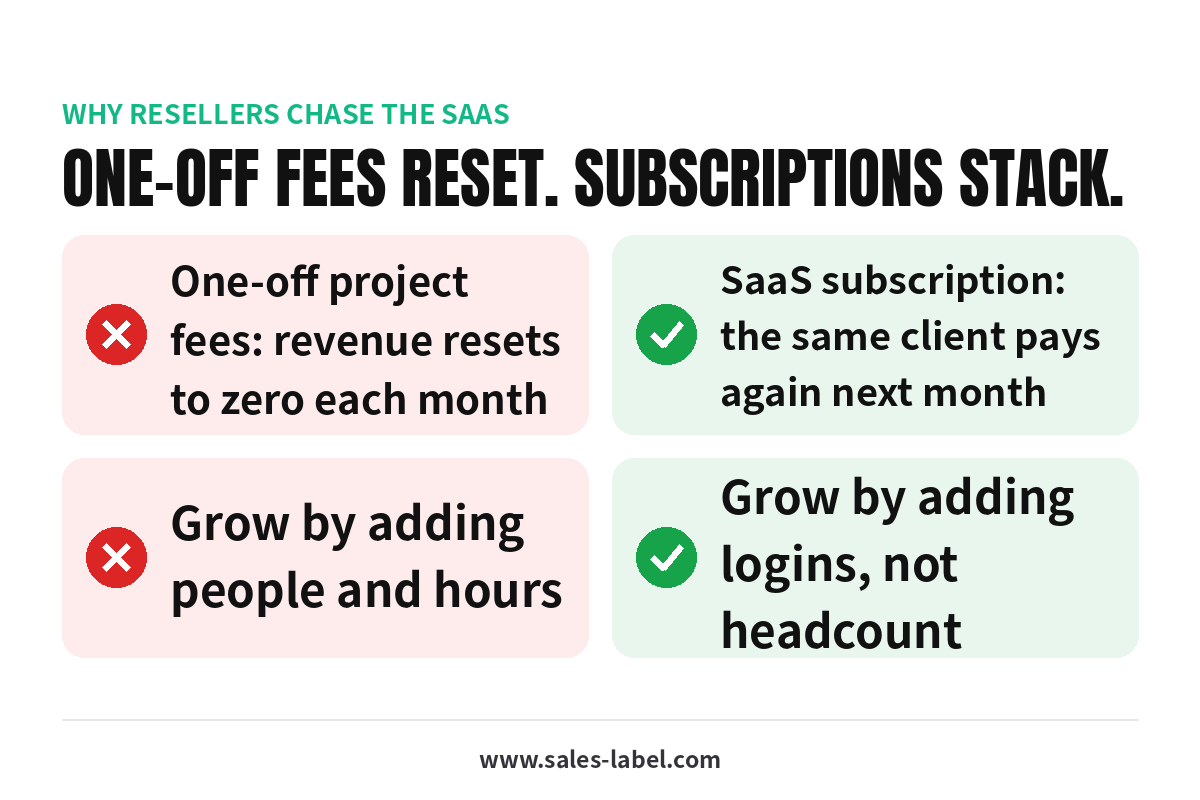
The SaaS part is not a detail. It is the business model. A one-off project pays you once. A subscription pays you while the client stays. That single difference is why resellers chase SaaS in the first place.
That is the recurring-revenue dream the SaaS model sells. The service model resets to zero each month.
SaaS you resell vs service you run: the real choice
Once you know what the term means, a fork appears. You can resell the software and let clients run it, or you can run the outreach for them as a service. Most of the SERP sells you one or the other. You should see them side by side first.
Question
Resell the SaaS
Run the service
Who does the work?
The client, in your branded tool
You and your team
How you get paid
Recurring subscription (MRR)
Retainer or per-project fee
Time to launch
Days: rebrand and resell
Weeks: hire or train delivery
Margin shape
High and steady, software-like
Higher per client, but labour-bound
Scales by
Adding logins
Adding people
Main risk
Clients who do not use it churn
Delivery quality and your own hours
Neither column is "better". They are different businesses. The next two sections show how each one actually runs.
Option 1: Resell the SaaS
You license a lead-gen platform, put your brand on it, and resell seats to clients. They log in and run their own outreach. You keep the difference between what the platform costs you and what you charge.
Best for: agencies that want recurring revenue without growing a delivery team.
Upside: launch in days, margins stay high, revenue compounds as you add clients.
Watch out for: a client who logs in once and never returns will churn. Onboarding is your job now.
Option 2: Run the done-for-you service
You still use a white-label platform, but your team runs the outreach for the client. The client sees results, not a login. You charge a retainer for the work.
Best for: agencies with delivery skills whose clients will pay to not lift a finger.
Upside: bigger fees per client and tighter control of quality.
Watch out for: your revenue is tied to your hours. Growth means hiring, and every client adds work.
Both models are real businesses. This is why the SaaS one is the recurring base most resellers build on.
The money math: recurring vs one-off
Here is the difference in plain numbers. The figures below are an illustration, not a quote. Your platform cost and prices will differ, so treat this as the shape of the math, not a promise.
Say you resell the SaaS to 10 clients. You pay the platform a wholesale fee per client and charge a monthly price above it. That margin arrives every month, from every client, whether or not you touch their account.
Reselling the SaaS (illustrative): 10 clients × a monthly margin each = recurring income that repeats next month, and grows as you add client 11, 12, 13.
Running the service (illustrative): 3 clients × a larger monthly retainer = more revenue today, but each new client needs more of your team's hours, and the income stops if the work stops.
Recurring revenue is why resellers like the SaaS model: it stacks. One-off and retainer work pays more per client but resets your effort every month. For the real margin math, prices and a worked costing, see our guide to reseller margins and how to price white-label SaaS.
Which should you resell?
Short answer: most agencies start by reselling the SaaS, then add service only for clients who pay for it. Here is how to pick for your situation.
You want recurring revenue and a small team: resell the SaaS. It launches fast and scales by adding logins, not people.
Your clients will not run a tool themselves: run the service, or offer "done-with-you" where you set it up and they maintain it.
You want both: resell the SaaS as your base, and sell managed delivery as a paid upgrade on top. You keep the recurring floor and add high-margin service revenue.
Want to see a lead-gen platform you can resell under your own brand, on your own domain? See the white-label demo.
Frequently asked questions
What is white label lead generation SaaS?
It is lead-generation software one company builds that you resell under your own brand on a subscription. Clients run it in your tool, on your domain, and pay you every month, so you earn recurring revenue without building the software.
Is white label lead generation SaaS profitable?
It can be, because the margin repeats every month and scales as you add clients. Profit depends on pricing above your platform cost and keeping clients using the tool. See our reseller-margins guide for the math.
Should I resell the software or run the service?
Resell the software if you want recurring revenue and a small team. Run the service if your clients will pay to have the work done for them. Many agencies do both: the SaaS is the recurring base, the service is a paid upgrade.
Can I resell lead-gen SaaS without building my own?
Yes. That is the point of white-label. You license a finished platform, put your brand on it, and resell it this week instead of spending months and real money building software.
How is this different from a SaaS lead generation agency?
A SaaS lead generation agency sells a done-for-you service. White label lead generation SaaS is the software itself, which you resell on a subscription. One is labour you deliver; the other is a tool clients log in to.